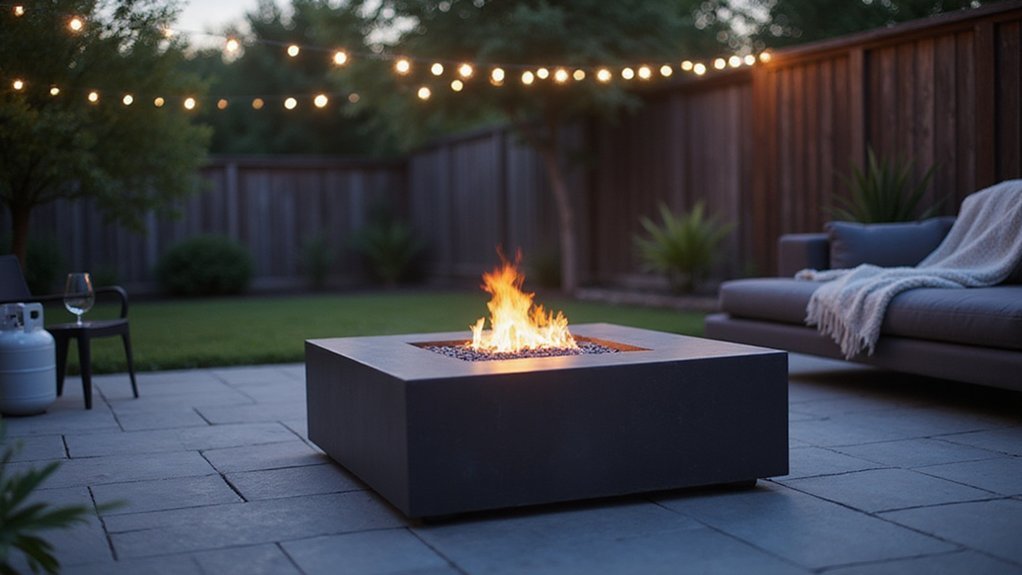
Thinking about adding warmth and ambiance to your outdoor space? Choosing between a fire pit and a fire table comes down to what matters most to you—heat, safety, or style.
Each has its perks, and understanding the key differences will help you pick the best fit for your backyard.
Keep reading to find out which option aligns with your needs.
Fire Pit vs. Fire Table: How Height Changes Your Setup
The height of your fire feature significantly influences its role in your setup. A fire pit, typically measuring between 19 and 25 inches high, pairs well with low-backed chairs like Adirondacks, creating an intimate and relaxed gathering space. This low profile emphasizes the flames, making it the central visual element and encouraging a cozy, conversational atmosphere. On the other hand, fire tables offer a range of heights, usually from around 28 inches for chat tables up to 36 inches or more for bar-height designs. Dining-height fire tables, at about 28 to 32 inches, function as a handy surface for plates and drinks, blending comfort with utility. Taller fire tables transform your setup further, turning the fire feature into a piece of furniture suited for bar-style seating or standing gatherings. Your choice of height should align with your existing furniture and the way you like to gather — whether that’s close and intimate or more peripherally social. For those seeking a multifunctional outdoor centerpiece, this upright style mirrors the dual cooking versatility found in top-tier gas grill and smoker combos, where one unit handles both searing and slow smoking. Just as those combos offer different heat sources for varied results, selecting the right height can affect the heat and flavour of your social experience by changing how people interact with the flames. For a more versatile table-centric layout, consider how outdoor umbrella height can similarly define your seating and shade coverage.
Heat Output: Which One Actually Keeps You Warm?
A fire pit generally provides more heat than a fire table. Wood-burning fire pits produce the most radiant warmth due to their open, lower-profile design, which directs heat directly toward you. They don’t rely on BTU ratings the same way gas models do but are widely regarded as the stronger choice for warmth. Their open structure allows for higher heat exposure, making them ideal for cooler conditions and creating a cozy, heated zone around the fire. Similarly, finding the best cover for your fire feature is just as important as maximizing heat output, since a protective cover for charcoal or wood-burning pit can extend its lifespan by shielding it from the elements. For buyers considering gas as an alternative, evaluating the quality and performance of top picks can help identify models that still provide satisfactory warmth. For those who prefer a gas option, comparing the best gas grill and griddle combos can offer insights into versatile outdoor cooking appliances that also provide supplemental heat.
In contrast, fire tables focus more on aesthetics and are less effective for heating. Their burners sit higher, reducing the amount of radiant heat reaching you directly. Gas fire tables typically generate between 30,000 and 50,000 BTU, providing moderate, localized heat that’s suitable for small gatherings or milder climates. They tend to distribute heat more evenly across surfaces rather than creating a concentrated warmth for individuals.
If your priority is maximum warmth and comfort in cooler weather, a wood-burning fire pit is the better choice. It offers higher radiant heat output, ensuring you stay warmer during chilly evenings. Fire tables, while stylish and efficient for ambient heat in milder conditions, won’t deliver the same level of warmth, especially in colder climates or for larger groups needing more heat.
Fire Pit vs. Fire Table: Wood or Gas Fuel?
Choosing between wood and gas fuel affects more than just the flames. With wood, you’re opting for a hands-on, traditional experience. You’ll gather logs, build the fire, and tend it while enjoying the crackle and aroma. This method offers raw, campfire-style cooking and substantial heat, but it also produces smoke and ash, requiring constant attention. Gas, in contrast, emphasizes convenience. You can ignite it with a simple knob turn, adjust the flame instantly, and enjoy a nearly smokeless, clean burn. Gas models, especially fire tables, provide greater design flexibility with sleek burners and minimalist housings that blend seamlessly into modern patios. While wood evokes a rustic, outdoor charm, gas prioritizes a clean, contemporary look and effortless ambiance. Similarly, looking at other appliances, a top countertop ice maker can prioritize convenience over traditional manual methods. When weighing your options, consider how top-rated models often balance heat output, build quality, and overall value to match your space. Ultimately, your choice hinges on whether you prefer the ritual of tending a fire or the ease of instant control. For those seeking compact outdoor cooking gear that complements this modern approach, evaluating portable grill reviews can highlight similar trade-offs between hands-on control and straightforward operation.
Which Is Safer and Easier to Maintain?
Fire tables are safer and easier to maintain than wood fire pits. Their raised design keeps flames further from children and pets, reducing the risk of contact. Many include glass guards or screens, and you can shut off a gas fire table instantly. In contrast, wood pits produce sparks and embers, which pose safety hazards and require constant tending. This is similar to how a solid pizza peel offers more stability and containment than a perforated one for delicate foods. For outdoor cooking, a griddle for bbq gas grill provides a safer alternative to open flames.
Maintenance is simpler with gas fire tables since they produce no ash, soot, or smoke. Cleaning involves wiping down surfaces, and there’s no need for fuel management or ash removal. Fire tables are also more fuel-efficient because they burn clean and can be adjusted with a knob, making them easier to control.
Design-wise, fire tables offer a sleek, finished look that stays cleaner around patios and seating areas. With less debris and fewer sparks, your outdoor space remains tidier for longer periods.
Fire Pit vs. Fire Table: Which Has Better Long-Term Value?
Fire pits generally offer better long-term value due to their lower upfront cost and greater durability. They typically last over 15 years with fewer mechanical parts that can fail, making maintenance simpler and less costly over time. Their rustic and timeless aesthetic appeals to many, and installation is straightforward because they require no gas hookups, reducing initial setup expenses. Fire tables, on the other hand, usually involve a higher initial investment and contain burner systems that may need replacement within 5 to 10 years, which can diminish their long-term value. For those who also value sonic ice machines for quality and performance, similar considerations apply when comparing upfront costs versus long-term durability. Nevertheless, premium materials like GFRC can extend a fire table’s lifespan and augment its visual appeal. Ultimately, whether a fire pit or fire table provides better value depends on your priorities: if minimizing operating costs and maximizing longevity are key, a fire pit tends to be more economical. Conversely, if you prefer a sleek design and the convenience of a fire table, the higher initial expense might be justified despite potential replacement costs down the line. When evaluating these options, consulting a review of top fire tables with covers can help clarify which model offers the best balance of quality and value for your needs.