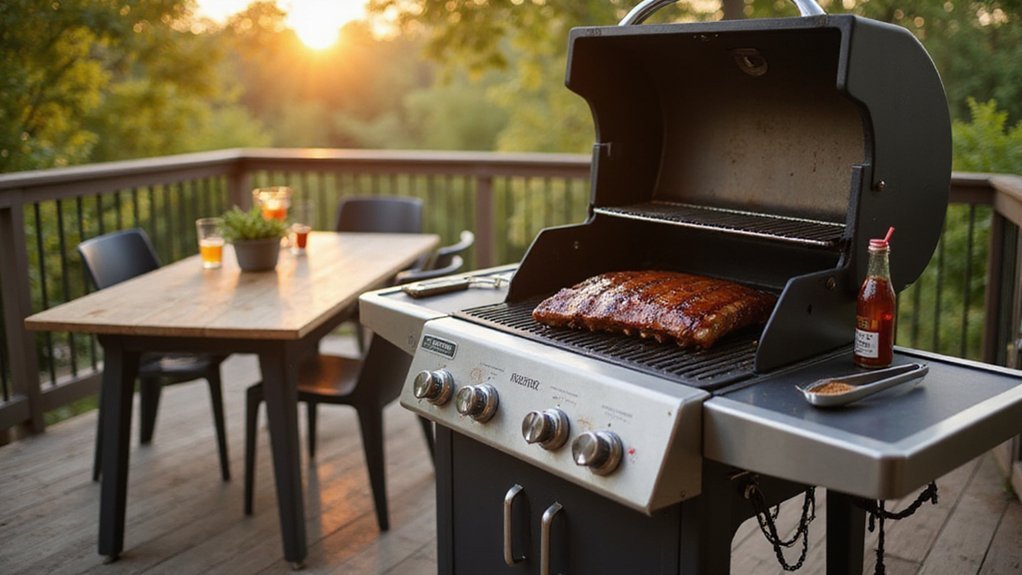
Wondering how to get perfectly smoked chicken wings that are juicy inside and crispy on the outside? The key is a simple process: dry brining the wings, smoking them at a low temperature, and finishing with a hot blast to crisp the skin.
Once you master these steps, you’ll have wings that are flavorful, tender, and irresistibly crunchy. Keep reading to see how it all comes together.
How to Prep Your Wings for the Crispiest Skin
To achieve the crispiest chicken wings skin, start by thoroughly drying them with paper towels to remove surface moisture. For optimal crispness, let the wings sit uncovered on a wire rack in the fridge for 8 to 24 hours. The dry air in the fridge helps remove additional moisture. The day before cooking, salt the wings generously—about one teaspoon of kosher salt per pound—since this dry brining process pulls out excess water and enhances flavor. For the best results, a charcoal gas grill offers excellent high-heat capabilities for finishing the wings after smoking.
For extra crunch, incorporate one teaspoon of aluminum-free baking powder per pound into your dry rub. Baking powder reacts with the skin during cooking, creating tiny bubbles that contribute to crispness. Toss the wings lightly in oil along with your seasoning, then shake off any excess oil or seasoning. Avoid wet marinating techniques, as they introduce surface moisture that hampers crispiness. Alternatively, instead of oil, you can spray with duck fat for enhanced crispiness and a glistening finish. For perfectly chilled beverages to accompany your wings, consider a top-rated countertop ice maker that fits your kitchen. Using a top flat top grill can also provide even heat distribution for searing the wings after smoking.
Save sticky sauces for after the high-heat cooking process. Applying them afterward prevents the skin from becoming soggy, ensuring you get the perfect crispy exterior paired with flavorful sauce. This preparation method sets you up for wings that are tender inside and irresistibly crispy outside.
Best Wood Pellets for Smoked Chicken Wings and Grill Setup
Start with apple or cherry pellets because they produce a mild, sweet smoke that complements the flavor of chicken wings well. Once you’re comfortable, try blending these with hickory or maple for a richer, more complex taste. The choice of pellet significantly impacts the smoky profile, so experiment to find what enhances your wings without overpowering them. For a consistent smoking environment, using nugget ice makers for the accompanying drinks keeps your beverage crisp and refreshing without diluting the flavor. For a comprehensive comparison of popular models, review the top pellet grill options to ensure your setup matches your wood pellet choice. For wrapping the wings during cooking, butcher paper retains more moisture and protects the subtle smoke flavor better than foil.
Smoke at 225°F–250°F for 45–60 Minutes
Set your pellet grill to 225°F–250°F and smoke the wings for 45–60 minutes. This low-and-slow process infuses the meat with rich smoke flavor and gently renders fat without drying out the skin. Arrange the wings in a single layer to ensure even exposure to the smoke, which helps develop a deep smoky taste. After about 30 minutes, check the internal temperature of the thickest wing sections; aim for 175°F to 180°F, which indicates proper smoke penetration without overcooking. Keep the grill lid closed as much as possible during this stage to maintain consistent temperature and smoke flow. At this point, don’t expect crispy skin—this phase is all about building smoky flavor and tenderizing the wings. Proper method requires opening the grill until the flame ignites before closing, ensuring better smoke flavor. The final crispiness will come afterward in a higher-heat finishing stage. Unlike a pizza stone, which can crack if cut directly, a pellet grill grate is durable enough to handle regular cutting and flipping. For those with a home gas line, connecting a natural gas grill can eliminate the need to refill propane tanks. Always turn off the gas supply at the tank before attempting to disconnect any propane equipment.
How to Finish Smoked Wings at 400°F–450°F for Crunch
Spread the wings in a single layer on the grill grates, flipping them once for even browning. Watch for hot spots, which can cause uneven cooking or charring, especially if your grill isn’t well maintained. When applying seasoning, avoid rubs heavy in sugar at this stage, as the high heat can cause sugars to char too quickly, leading to burnt flavors.
Before finishing, ensure your grill grates are clean. Clean grates promote better airflow and prevent sticking, both of which are essential to getting crispy wings. For best results, consider using a high-quality pizza stone to help evenly distribute this intense heat and prevent hot spots. Temperature is your best indicator of doneness at these high heat levels—check the internal temperature in the thickest part, away from the bone, aiming for around 175°F. Skin color is a visual cue but don’t rely solely on it; the wings should feel firm and crisp when properly finished. If your grill lacks even heat distribution, upgrading to a model with better burner coverage can address this issue directly, as it ensures more consistent temperatures across the entire cooking surface.
Sauce, Rest, and Serve Your Crispy Smoked Wings
Once the wings are crispy from the high-heat finish, remove them from the grill and let them rest for a few minutes. This brief pause allows the juices to redistribute and surface steam to escape, which helps the sauce cling better without softening the skin. For optimal flavor and texture, toss the wings with your preferred sauce—such as sweet barbecue, garlic Parmesan, or Alabama white—only after they have rested. A plastic bowl with a lid is ideal for tossing wings to coat them evenly without making a mess. Some outdoor cooks prefer to use a natural gas fire pit for a different style of searing, but a pellet grill remains the best tool for this smoking method. Using high-quality wood pellets ensures consistent smoke and even heat for the best results. Avoid saucing too early, as heavy glazes containing sugar can burn, and butter-based sauces risk softening the skin if applied excessively. To serve, plate the wings immediately after tossing to preserve the crispness and moistness contrast. Keep extra sauce on the side for dipping, and traditionally serve with celery and blue cheese. If you’re offering multiple flavors, divide the wings into small batches, but avoid covering them, since steam can make the skin lose its crunch. For a clean pairing, maintaining a sanitary kegerator tap prevents off-flavors from spoiled beer lines contaminating the wings’ taste.