Ever wondered what lava rocks are and why they pop up in gardening, grilling, or landscaping? These natural stones form when molten lava from a volcano erupts and cools quickly, trapping gas bubbles inside.
The result is a lightweight, porous material that comes in black, red, or gray shades. Keep reading to learn how to choose the right lava rock for your needs.
What Are Lava Rocks and Why Do They Matter?
Lava rock forms when molten lava cools and solidifies at the Earth’s surface, making it an extrusive igneous rock—not a liquid anymore. This solid stone narrates its fiery origin story through its mineral composition. The volcanic minerals determine whether it appears as dark basalt, glassy obsidian, or porous pumice. The cooling rate influences its texture: rapid cooling traps gas bubbles inside, creating lightweight, porous pumice, while slower cooling allows crystals to grow larger, resulting in denser, more solid rocks. These variations—from lightweight and hole-filled to dense and glassy—serve different purposes. For grilling, achieving consistent results on a gas grill often requires close attention to temperature and cook times. Lava rocks are valuable because they record magma chemistry, offering insights into volcanic activity and hazards. Their durability also makes them popular for landscaping, gas grills, and aquarium filters, where their long-lasting nature is essential. When used in grills, lava rocks help distribute heat evenly, but for those seeking top gas grill and smoker combos, the integrated designs often outperform traditional lava rock setups in both temperature control and flavor. For those prioritizing consistent heat for grilling, premium smoker pellets offer a cleaner alternative to lava rocks while maintaining excellent flavor and performance.
How Do Lava Rocks Actually Form?
Lava rocks form through rapid cooling of lava after it erupts onto Earth’s surface. When magma from deep underground escapes through a volcano or fissure, it heats up to temperatures between 800 and 1,200 °C. Once exposed to air or water, the lava begins to cool immediately. This quick cooling causes mineral crystals to solidify from the molten rock, creating the crystalline structure characteristic of volcanic rocks. The rate of cooling influences crystal size: fast cooling produces small or even microscopic crystals, while slow cooling allows larger crystals to develop. The process also traps gases within the cooling lava, resulting in a porous, vesicular texture typical of many lava rocks. If the eruption is explosive, the molten rock might be blasted into the air as volcanic ash before settling back to the surface. Either way, these processes give rise to the solid, durable lava rock that forms at Earth’s surface. For example, a similar rapid transformation occurs when connecting a grill to natural gas requires quickly securing the hose to the gas line. When choosing fuel containers for outdoor cooking, you should ensure refill confidence by selecting a reliable gas tank. Understanding the weight and volume of your fuel supply, such as how many pellets fit on a pallet of wood, helps you plan storage efficiently without running out mid-cook.
Common Types of Lava Rocks You’ll See
Lava rocks come in several distinct types, each with unique characteristics shaped by the cooling process and composition. The most common is basalt, a dark, dense rock formed from low-silica lava that cools rapidly, resulting in a fine-grained volcanic texture. Andesite is lighter in color due to its higher silica content and appears around composite volcanoes. Rhyolite contains over 70% silica, producing light-colored, viscous lava that is often associated with explosive caldera eruptions. Pumice is a frothy, lightweight rock that can float and forms from gas-charged rhyolitic lava; its silica richness creates a porous structure. Scoria, similar to basalt but darker and denser, develops from gas bubbles trapped in basaltic lava, forming a rough, porous texture typical of cinder cones. Before handling any porous volcanic stones in outdoor cooking setups, ensure the grill brush head is securely fastened to avoid debris contaminating the lava rock surface. To prevent rust from compromising the integrity of these stones, a proper curing process is essential for maintaining their durability. When selecting a heat source for these stones, consider models that offer consistent performance across different temperature settings.
Scoria vs. Pumice vs. Obsidian: Key Differences
Scoria, pumice, and obsidian are distinguished primarily by their mineral composition, appearance, and formation process. Scoria is a dark, basaltic volcanic rock that forms from gas-rich basaltic lava. Its thicker bubble walls give it a rough, porous surface and a dense structure, making it heavy enough to sink in water. Pumice, on the other hand, is a light, silica-rich volcanic rock created during explosive eruptions that produce highly frothy, abrasive material. Its porous nature allows it to float on water, and it feels lightweight and rough to the touch. Obsidian is formed when silica-rich lava cools very quickly, preventing crystals from forming. This results in a dense, glassy rock with a smooth surface and sharp edges, typically black or dark in color. It is heavyweight and densely packed compared to pumice and scoria. To tell these rocks apart, focus on their color, weight, surface texture, and how they formed—scoria is dark and porous, pumice is light and frothy, and obsidian is dense and glassy.
Why Are Some Lava Rocks Lightweight and Porous?
Lava rocks are lightweight and porous because gas bubbles trapped inside the cooling lava create empty spaces called vesicles. As magma rises, the pressure drops, allowing dissolved gases to escape and form these bubbles. Rapid cooling at the surface then traps the bubbles before they can collapse, preserving the vesicular texture. This process reduces the overall density of the rock, sometimes making it light enough to float. For example, this vesicular structure is similar to how pizza stones work by absorbing moisture and distributing heat evenly in an oven. Beginners often mistakenly apply too much force when handling butcher paper, which can tear the lightweight material.
The amount of gas present in the magma and the style of eruption significantly influence this porosity. Gas-rich eruptions produce frothier, more vesicular rocks, while slower cooling allows bubbles to escape, resulting in denser material. The mineral composition also affects weight; silica-rich lavas tend to be lighter, whereas those high in iron or magnesium remain denser. More pores mean less solid material per volume, giving the rock a spongy, rough feel—directly linked to how quickly the lava cooled and how much gas it contained. These lightweight, porous properties make them heat-proof and durable for fire pits and other high-temperature applications.
Why Lava Rocks Work for Drainage and Grills
Lava rocks work effectively for drainage and grilling because of their porous structure. Their tiny pores and channels, formed by trapped gas bubbles during volcanic activity, allow water to pass through easily instead of pooling on the surface. This natural network offers superior drainage, making lava rocks ideal for potted plants, where they prevent roots from becoming waterlogged. In grilling applications, the same porous qualities help distribute heat evenly across the cooking surface and absorb grease drippings, reducing flare-ups. Lava rock’s high heat resistance ensures it can handle repeated exposure to high temperatures, while its lightweight and durable nature keep it from compacting or breaking down quickly. Regular cleaning helps maintain optimal performance in both gardening and grilling uses. For a complete outdoor setup, pairing lava rocks with a top outdoor kitchen sink enhances both functionality and convenience.
What Does Lava Rock Color Actually Mean?
Lava rock color is primarily a reflection of its mineral content, cooling history, and oxidation process. Black lava rock, typically basalt, indicates rapid cooling with minimal oxidation. Its deep hue symbolizes grounding and protection, influenced directly by minerals like magnesium and iron. Gray varieties form with moderate oxidation, often representing balance and adaptability. Red shades reveal the presence of iron oxide, embodying energy and passion. Color variations such as brown, orange, or bluish-gray result from complex mineral mixtures or specific cooling conditions. Keep in mind that weathering can alter these hues over time, so the color you see on the surface might change as the rock interacts with its environment. Similarly, infrared thermometers use surface color and emissivity to measure temperature without contact. For those seeking an outdoor seating upgrade, quality and performance in lava rock colors parallel the careful considerations found in top outdoor chair reviews. Ultimately, lava rock color tells a story of its chemistry and thermal history, not a fixed meaning—each hue is a geological signature stamped by natural forces.
What Lava Rocks Tell Scientists About Volcano History
Lava rocks serve as detailed records of a volcano’s past, revealing its eruptive history through various features. You can analyze their magma composition to decode this history. Whole-rock chemistry acts like a fingerprint, identifying magma source regions and distinguishing recent eruptions from older ones. Trace elements within the rocks help map out underground structures, offering clues about magma pathways. Crystals trapped inside the rocks are especially valuable; their chemistry preserves information about pressure, temperature, and cooling processes within the magma chamber. By dating these minerals, you can build an eruption timeline. Techniques like argon-dating determine when lava reached the surface, indicating eruption timing. Subtle shifts in chemical composition within the rocks reveal changes in eruptive styles or new magma inputs. Additionally, analyzing rock layers around the volcano creates a chronological record of past events, helping you understand what drives future eruptions and assess potential hazards more accurately.
Best Uses for Lava Rocks at Home
Lava rocks are highly versatile in home landscaping and gardening projects. Their naturally porous, heat-resistant nature makes them ideal for suppressing weeds in flower beds, tree rings, and as a long-lasting ground cover. Unlike organic mulches, lava rocks do not decompose, reducing the need for frequent replacement and maintenance.
Adding lava rocks to container soil improves drainage and aeration. Mix 10 to 30 percent into your potting mix, especially for succulents and herbs, to prevent overwatering and root rot. Their porous structure allows excess moisture to escape, supporting healthier root systems.
Lava rocks also serve well in paths and walkways, providing a stable and visually appealing surface. They drain efficiently, preventing water buildup even on sloped ground, making them suitable for outdoor pathways that need good drainage and an attractive appearance.
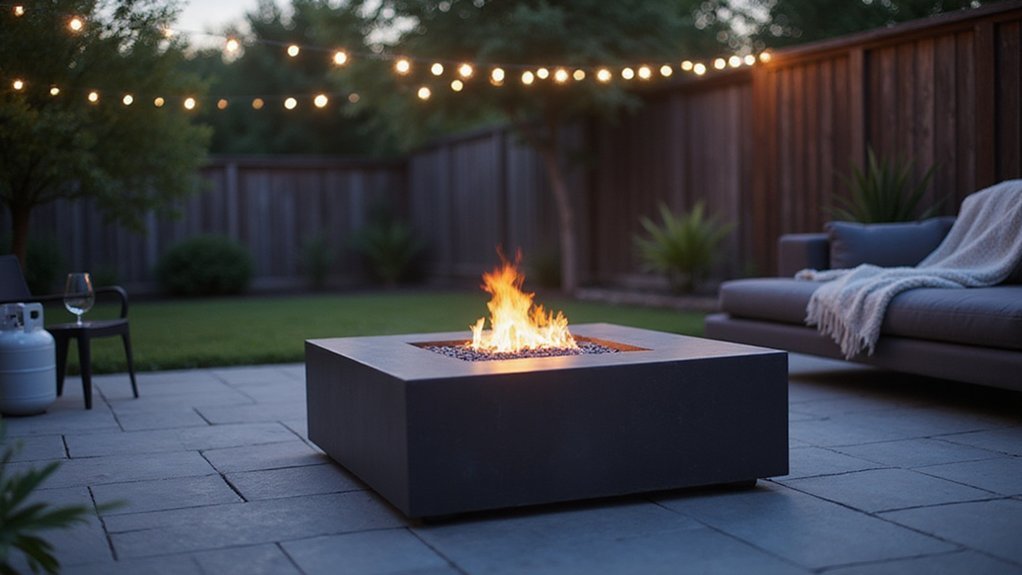
Indoors or outdoors, lava rocks withstand high heat. Use them around fire pits or in gas grills for even heating and heat retention. In aquariums or water features, their porous surface fosters beneficial bacteria growth, aiding filtration. Additionally, placing lava rocks in humidity trays can help maintain moisture levels for houseplants.
Which Lava Rock Should You Choose for Your Project?
For most landscape and decorative applications, medium-sized lava rocks measuring 1/2 to 1 inch are a versatile choice. They provide a good balance between coverage and airflow, making them suitable for various uses—from accenting garden beds to mulching around plants. The size allows for effective drainage and airflow, which helps prevent soil compaction and reduces water pooling. Many pellet grill enthusiasts also use lava rocks for heat retention and smoke distribution in their smokers. Before switching to lava rocks, however, consider that most pitmasters prefer Weber’s dedicated built-in grill components for permanent outdoor kitchen setups. Lava rocks are valued for their excellent heat retention during long cooking sessions, helping to maintain stable temperatures and reduce fuel consumption.
Choosing the right size depends on your project’s goals. Smaller rocks, such as 1/4 to 3/8 inches, are ideal for soil mixes or compact spaces because they settle densely and support proper drainage. Larger rocks, ranging from 4 to 6 inches, create bold visual statements and are best suited for feature areas where a dramatic look is desired. Always consider the porosity of your lava rock, as larger sizes tend to have higher porosity, enhancing drainage and aeration.