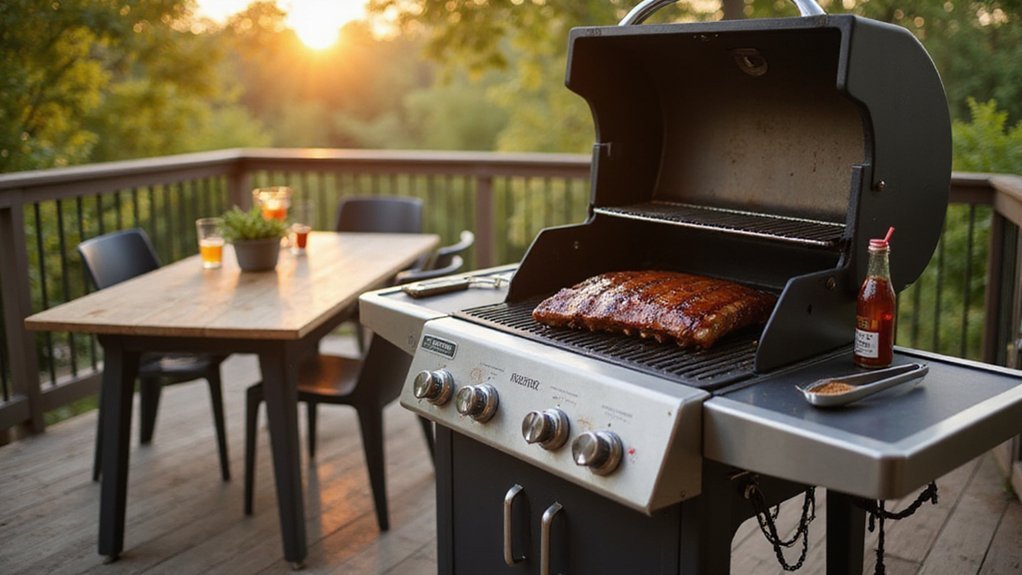
Getting started with a pellet grill can seem tricky at first, but once you know the basics, it becomes an easy way to add authentic smoke flavor to your cooking.
Filling the hopper with dry hardwood pellets and preheating the grill are key early steps to ensure your cook turns out just right.
By maintaining the right temperature and keeping the lid closed, you’ll achieve consistent heat and smoky goodness every time.
The full process is simple once you understand each step, and this guide will walk you through them all.
How to Prepare Your Pellet Grill for First-Time Use
You should unbox and inspect all components before you fire up your pellet grill. Check that the hopper, fire pot, and control panel are present and undamaged. Look for any signs of shipping damage or missing hardware. Make sure your grill is placed on a non-combustible surface to ensure safety during operation. Keep the manual close by, as startup steps can differ between models. For those who also use flat top cooking, consider adding a Blackstone gas grill for versatile high-heat searing alongside your pellet smoker. If you frequently need ice for drinks during long cooks, a countertop ice maker can provide a steady supply without taking up grill space. If you own a gas unit, review the natural gas connection guidelines to avoid compatibility issues.
Next, clean the interior. Remove any packaging materials and debris, but leave the factory grease coating intact because it is designed to burn off during initial use. If your grill’s manual recommends washing the grates, do so, then dry them thoroughly. Reinstall the drip tray, heat deflector, and grates in their correct positions, making sure the grease management system slopes properly into the bucket. Lining the bucket with foil can help make cleanup easier later. Perform a burnoff by running the grill at high heat to eliminate factory residues following manufacturer instructions.
Finally, focus on pellet storage and grill accessories. Fill the hopper with dry, food-grade hardwood pellets only—avoid damp or heating pellets, as they can cause starting issues or smoke production problems. Prime the auger by running the grill on the Smoke setting until pellets start feeding into the fire pot. Keep a backup bag nearby, especially if you plan on longer cooks or multiple sessions.
How to Start and Preheat Your Grill
To start and preheat your pellet grill, begin by inspecting your pellet supply. Make sure the pellets are dry and free-flowing because damp pellets can cause poor ignition and generate temperature fluctuations. Fill the hopper with quality pellets, as the grind size affects burn consistency. Plug in the grill, turn it on, and set the controller to the smoke or startup setting. Choosing high-quality pellets minimizes ash and ensures consistent heat output.
Keep the lid open during ignition, listening for the fan and auger to ensure they are operating properly. Expect white startup smoke for about 3 to 5 minutes; this smoke will thin out as combustion stabilizes. Once you see a consistent fire, close the lid and preheat the grill for 10 to 15 minutes. For high-heat cooking, extend preheating up to 20 minutes. Wait until the temperature stabilizes near your target before beginning to cook. Similar to a pizza stone, the grill’s internal surfaces benefit from a lasting protective layer that builds up through repeated high-heat use.
Make sure the firepot is clean to ensure good contact with the igniter, and allow heavy smoke to clear before proceeding. For even faster heat buildup, start the grill on high heat when within 20°F of the target temperature. Two-burner grills offer excellent heat distribution for consistent cooking results across the entire cooking surface. Your controller’s steady reading indicates the grill has reached the proper temperature and is ready for cooking.
How to Control Temperature and Estimate Fuel Usage
To keep a steady temperature on a pellet grill without constant fiddling, rely on your digital controller and auger system to feed pellets automatically. Calibration is key: after preheating your grill to 225°F, place a probe 1 to 2 inches above the grate. If the display shows a temperature higher or lower than 225°F, adjust your setpoint by the necessary offset. This calibration ensures your displayed temperature accurately reflects the actual cooking temp.
A temperature swing of about 20°F is normal, especially during pellet feed adjustments or lid openings. To minimize swings, limit opening the lid frequently, as cold air intake can double heat recovery time. In colder weather, use a grill blanket to help stabilize internal temperature. If overheating occurs, raise the pause setting one step to slow pellet feed. Regularly clean the fire pot and temperature probe to prevent soot buildup, which can interfere with accurate readings.
For pellet grills, adjusting vent settings is not applicable, but you can still control airflow by managing the lid and ensuring the fire pot is unobstructed.
Estimate fuel usage by noting that a full 20-pound hopper generally lasts between 6 and 18 hours at 225°F. Higher cooking temperatures or windy conditions increase pellet consumption. Planning your cook around hopper size and outdoor weather conditions helps ensure your pellets last as long as needed without surprises.
How to Get More Smoke Flavor on a Pellet Grill
To maximize smoke flavor on a pellet grill, start your cooking process low and slow at a temperature between 180 and 225°F for the first 30 to 60 minutes. This early stage allows the maximum amount of smoke to penetrate the meat before its surface heats up and seals in moisture. Placing cold meat directly from the refrigerator onto the grill enhances flavor absorption since the meat’s surface remains cool longer, enabling more smoke contact. Spritzing the meat frequently with apple cider vinegar or water helps keep the surface moist, which promotes better smoke adherence. Use a light rub, such as a simple salt and pepper mix, to prevent blocking the smoke from reaching the meat. For an extra smoky punch, add a smoke tube filled with wood chips and position the meat on an upper rack where rising smoke can circulate more effectively. Avoid heavy marinades or thick coatings, as they can inhibit smoke absorption and reduce flavor intensity. Using a smoker box with wood chips placed directly over the heat source allows targeted smoldering for enhanced flavor without affecting the grill’s main temperature control. For outdoor dining areas, consider positioning your grill under a large patio umbrella to shield it from wind and rain, which can disrupt consistent smoke output. Unlike gas grills that use a natural gas line for consistent fuel, pellet grills rely on burning compressed wood pellets to produce heat and smoke.
How to Shut Down and Clean Your Grill
After cooking on your pellet grill, always complete the shutdown cycle. This step is crucial for safety and proper maintenance, not just cleanup. Start the shutdown setting on your control panel, keep the lid closed, and avoid unplugging the grill prematurely. Wait until the fan has stopped completely to ensure all leftover pellets are burned off, which helps prevent burnback. For maintaining the grill’s internal water-related components, use safe cleaning products that are non-toxic instead of harsh chemicals. A well-sealed frame is essential for protecting these parts, so check the outer frame materials for any cracking or warping that could allow moisture intrusion. To keep the grill cover clean, you can use a mild soap solution and a soft brush to lift baked-on grease without damaging the fabric.
Once the grill has cooled, focus on removing the ash. Empty the fire pot and burn area to maintain optimal airflow for your next cook. If you’re planning to store the grill for an extended period, especially in humid conditions, remove unused pellets from the hopper to prevent moisture buildup. Wipe down the grates and interior surfaces to keep them clean and free of residue. Inspect the auger path for any debris that could hinder pellet feed during your next grilling session. Only cover the grill once it has cooled completely, and store your pellets in a dry, airtight container to avoid moisture absorption. Properly shutting down and cleaning your grill ensures reliable starting performance and longer lifespan.