Wondering if you can swap propane for natural gas on your grill? The short answer is no—doing so can be dangerous.
Propane and natural gas have different pressures and fittings, making simple conversions risky if not done correctly. This article will explain why using the right fuel matters and what steps are needed if you want to switch safely.
No: You Cannot Swap Propane for Natural Gas Without a Conversion
You cannot swap a propane tank for a natural gas line on your grill and expect it to work safely. Fuel compatibility depends on the model, not a simple interchangeable setup. Most manufacturers, including Weber, do not support conversions without a designated kit, which they rarely supply. Attempting a DIY conversion is risky because it involves more than just changing a hose. You need to replace the regulator, orifices, and sometimes even firebox components to match the fuel. Propane uses smaller orifices because it is more concentrated, whereas natural gas requires larger openings for proper combustion. Connecting your grill to natural gas requires replacing the regulator, orifices, and sometimes even firebox components, but professional installation is strongly recommended to avoid unsafe conditions. If these parts are not properly adjusted, your grill will not operate correctly, increasing the risk of unsafe conditions. Even third-party conversion kits can void your warranty and introduce liability issues. The safest choice if no approved conversion exists is to purchase a grill designed for the specific fuel type you need, avoiding improvisation at all costs.
Why Using Propane on a Natural Gas Grill Creates a Fire and Explosion Risk
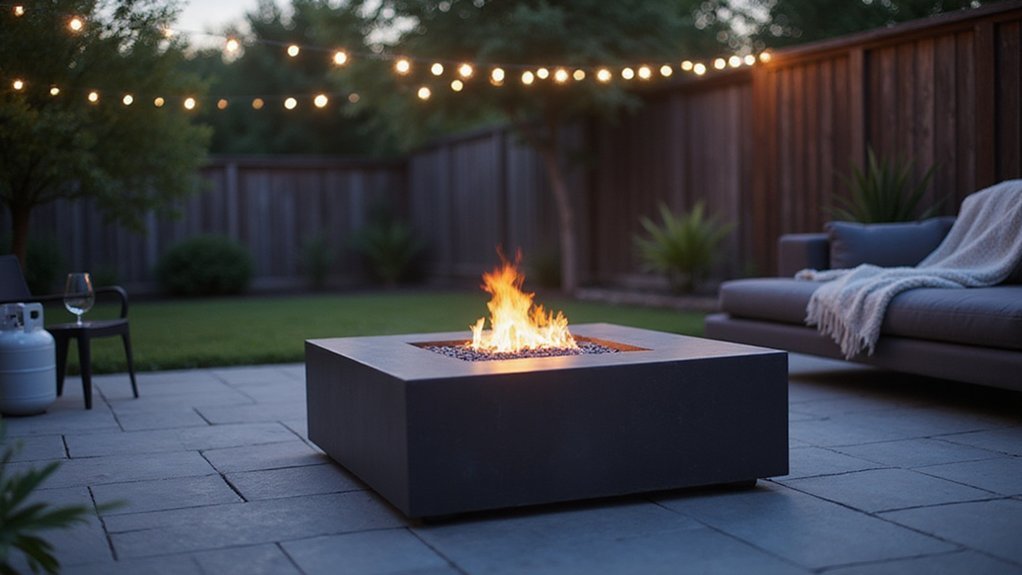
Using propane on a natural gas grill is extremely dangerous because it creates a serious fire and explosion risk. Propane operates at a higher pressure than natural gas, which can force too much fuel through the grill’s burners. This results in an overly rich air-to-fuel mixture, producing large, sooty flames and unpredictable flare-ups. These flare-ups can quickly escalate into a fire hazard right on your patio. Just as with choosing the right ice maker for your countertop, selecting the correct fuel source is a critical specification that cannot be overlooked. Since propane is heavier than air, any leaks tend to settle in low areas rather than disperse. If leaked gas accumulates and a spark or hot surface ignites it, this can cause a flash fire or explosion. To prevent this, always perform a leak check before using any propane equipment. Additionally, closing the lid during ignition traps the gas, increasing the risk of a dangerous explosion when you light the grill. Each year, gas grill fires and injuries caused by improper conversions or leaks highlight the importance of using the correct fuel source to keep your safety intact. For those looking to upgrade their outdoor setup, choosing a top-rated gas fire pit ensures both quality and performance when properly matched to its intended fuel type.
How Are Natural Gas and Propane Grills Built Differently?
Natural gas and propane grills are built with different components to accommodate their distinct fuels, especially regarding orifice size and pressure regulation. Natural gas grills use larger orifices than propane models because natural gas contains less energy per cubic foot. This allows the flow of a sufficient amount of fuel at lower pressure.
Design considerations also include the valves, regulators, and burners. Natural gas systems operate at a lower pressure, typically between 7 and 10 inches water column, whereas propane systems run at about 11 inches water column. As a result, the internal mechanics of the regulators and valves differ to ensure safe and efficient fuel delivery.
You’ll notice the hoses and fittings are different as well. Propane grills connect to portable cylinders with specific fittings, while natural gas grills connect to fixed gas lines. All these components are calibrated to produce a safe, reliable flame tailored to each fuel type, ensuring proper performance and safety in your grilling experience.
What Is the Right Way to Convert a Natural Gas Grill to Propane?
To convert your natural gas grill to propane, you need to replace the natural-gas orifices with smaller propane orifices, install a propane regulator, and connect a suitable propane hose. First, shut off the gas supply, disconnect it from the grill, and remove the grates and burners to access the manifold. Carefully swap out the orifices for the smaller propane-specific ones, then reassemble the burner system. Attach the propane regulator and connect the hose securely. Before starting, check the grill’s rating label or manual to confirm conversion kit compatibility, as not all kits are universal for your specific model.
After completing the conversion, test all connections with soapy water. Bubbles indicate leaks that must be fixed immediately before igniting the grill. Next, adjust the air shutters on the burners for a clean, blue flame, which ensures efficient combustion. If you are unsure about any of these steps or lack experience, it is best to hire a qualified technician to perform the conversion safely.
What Safe Gas Grill Practices Should Every Owner Follow?
To ensure safety, always set up your gas grill outdoors in a well-ventilated area, at least 10 feet away from your home, deck, or trees. Keep combustible materials like cushions, leaves, and paper far from the grill to prevent fires. Never operate a gas grill in a garage, on a balcony, or beneath an overhang, as the buildup of carbon monoxide and fire hazards become significantly higher. When comparing grill models, two-burner and three-burner designs offer different cooking capacities and running costs that may influence your choice.
When lighting the grill, always open the lid beforehand to prevent a dangerous gas buildup that could cause flare-ups. Avoid leaning over the burners when igniting them to minimize the risk of burns or accidents. If a burner does not ignite on the first attempt, turn off the gas supply immediately, keep the lid open, and wait at least five minutes before trying again to allow any accumulated gas to dissipate. Never leave a lit grill unattended, as it can lead to fires or carbon monoxide poisoning. Understanding the hamburger grill time for different patty thicknesses helps ensure safe internal temperatures are reached without overcooking.
Regular maintenance is crucial for safe grilling. After each use, clean grease from the grates and trays to prevent flare-ups. Inspect burner tubes for blockages caused by insects or debris and remove any obstructions. Check hoses for cracks, brittleness, or leaks, and replace damaged parts before your next cookout to reduce the risk of gas leaks or fires. For similar upkeep on other grill types, cleaning Traeger grill grates requires simple scrubbing to prevent buildup and keep them functioning safely.
How to Leak-Test Your Grill (and Spot Problems Before They Start)
To leak-test your grill, start by conducting a visual check of the hoses for cracks, holes, or kinks. Next, mix a 50/50 solution of dish soap and water and apply it to the cylinder, regulator, and all hose connections. Make sure the grill is off and the lid is open before testing. Do not use a flame—look for bubbles that form and grow. If bubbles appear, immediately shut off the gas valve, tighten the fitting, and retest. If bubbles persist after tightening, do not use the grill; the hose or fitting may be damaged and require replacement. Always perform a retest after any repairs and let residual gas dissipate beforehand for safety. Skipping this step can be dangerous, but it’s quick and effective at preventing gas leaks.
When Should You Call a Professional for Help?
You should call a professional immediately if you suspect a gas leak. Do not attempt to locate or fix the leak yourself—evacuate everyone from the area and contact your propane retailer or dial 911 without delay. Do not re-enter the space until a qualified professional confirms it is safe. Visible signs such as soot buildup, pilot-light issues, or blocked vents also require professional inspection. These indications point to problems like incomplete combustion or system failure that a trained technician can properly diagnose and repair.
Any work involving disconnection of lines, replacement of connectors, or relocation of the appliance should always be performed by a licensed professional. Additionally, when converting to propane or natural gas, ensure you use a manufacturer-approved conversion kit and have it installed by a licensed technician. Incorrect setup or using incompatible parts can create serious hazards, so never improvise in these situations. Your safety depends on expert intervention whenever these warning signs or tasks arise.