Got stubborn grease and food residues on your stainless steel grill grates? Cleaning them properly is key to keeping your grill in top shape and ready for the next cookout.
From quick brush-offs to deep-soak methods, you’ll learn how to remove buildup safely and effectively.
Keep reading for simple steps to restore your grill’s shine and maximize its lifespan.
Scrub Hot for Quick Daily Cleaning
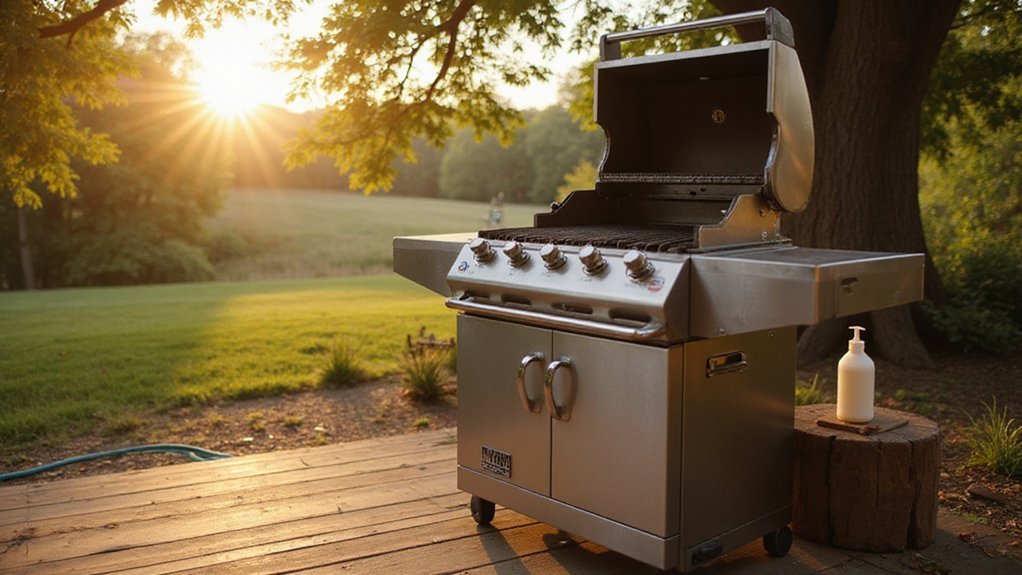
Cleaning your stainless steel grill grates immediately after cooking is the most effective way to maintain them. When the grates are still hot, food particles remain soft and easy to scrape off. Use a stainless steel grill brush or a bristle-free alternative to quickly scrub the hot grates. If you miss the chance to clean right after cooking, reheat the grill on high for 10 to 15 minutes. This boosts residue into brittle ash, making it easier to remove during scrubbing. Hot scrubbing provides a fast daily cleaning method that helps preserve the grill’s appearance and prevents buildup. After cleaning, wiping the grates with a light coat of oil helps season the steel and reduces rust formation. For stubborn buildup, using a stainless steel scraper can effectively remove carbon that ordinary brushes miss. Unlike porous materials, stainless steel grates avoid absorbing grease and acidic marinades that can cause lingering odors. Consider adding a countertop ice maker to your kitchen for cold beverages that complement your grilled meals. Regularly scrubbing hot after each use keeps your grates looking new and ready for your next cookout. For those who prefer a more traditional approach, wooden peels offer a gentler surface that won’t scratch delicate tools, though they require more upkeep than metal alternatives.
Deep Soak for Stubborn Baked-On Grease
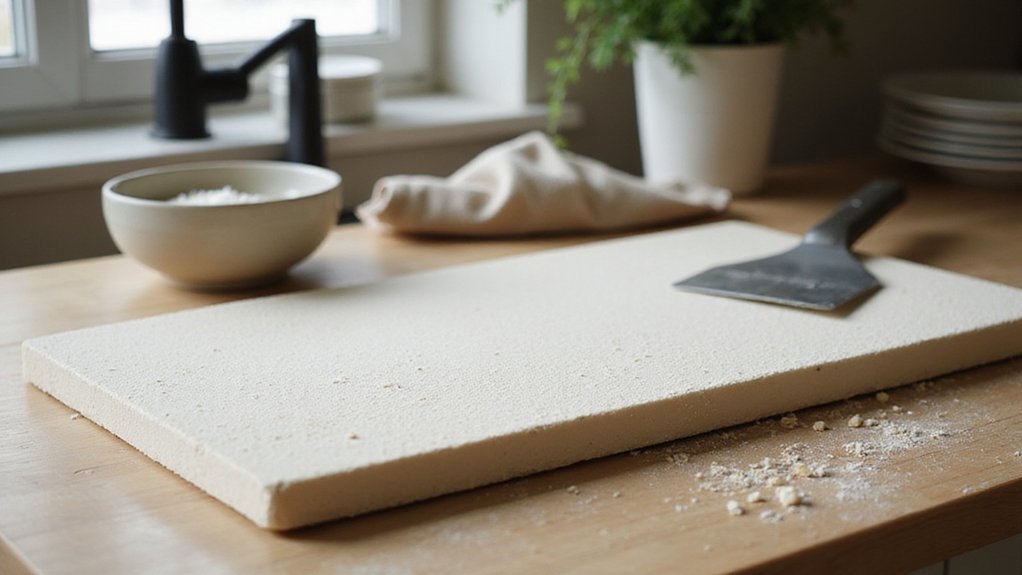
To tackle stubborn baked-on grease, a deep soak is often the most effective method. Start by confirming your grate material: stainless steel handles the process well, while cast iron may not tolerate certain solutions. For heavy grease and carbon buildup, place your grates in a large garbage bag and mix 2 cups of white vinegar with 1 cup of baking soda—the mixture will foam immediately. Seal the bag tightly and leave it to soak for 8 to 12 hours or overnight. For lighter residue, fill a sink or bucket with hot tap water at around 120°F, add a few drops of dish soap, and submerge the grates fully for 30 minutes to 6 hours. After soaking, rinse the grates thoroughly under clean water. Most grime will loosen during this process; for any remaining residue, use a soft sponge to scrub gently. Dry immediately to prevent rust, then re-season with a high-heat oil before storing. This deep soak approach minimizes scrubbing effort and helps restore your grates efficiently, ensuring food safety by preventing potential tainting from accumulated contaminants. For best results, always complete safety checks on your grill’s propane system before using it after cleaning. For grill owners considering a new setup, vertical smokers offer superior smoke flavor for low-and-slow cooking. If you prefer pizza directly from the grill, using a pizza steel distributes heat more evenly than stone for a crispier crust.
Which Brush and Cleaning Solution to Use
The best brushes for cleaning stainless steel grates are those with stainless steel or brass bristles. Brass brushes are gentler and less likely to scratch, making them a good choice if you’re concerned about damaging the surface. Firm bristles are important because they can reach between rods without bending or losing shape, and a wide head covers more surface area per pass, speeding up the process. Avoid nylon brushes for hot grates; they are only suitable for cold, light maintenance with mild soap and water. Using the right brush ensures effective cleaning without compromising the integrity of your grates. A stainless steel brush is often recommended for durability and effective scrubbing against baked-on residue. For optimal performance, you should also regularly inspect and replace any worn-out parts from your grill that could affect heat distribution. For those who also use their Traeger for pizza, proper care of all surfaces, including a pizza stone, helps maintain even heat distribution and cooking performance.
Season Your Grates to Prevent Rust and Sticking
To season your grates effectively, start by thoroughly cleaning them. Scrub away all residue with a wire brush or scraper, rinse with water to remove debris, and dry completely to prevent rust. Next, apply a high-smoke-point oil such as canola or vegetable oil using a paper towel, spreading a thin, even coat across the entire surface, including the sides. Avoid using too much oil, as excess can cause flare-ups and smoking during heating. Heat your grill to around 400°F to 450°F and let the grates cook for about 15 minutes. This process polymerizes the oil, creating a durable, non-stick coating. For added protection, consider wrapping the grates in butcher paper as a buffer against moisture during storage. Repeat this cycle two to three times for a stronger, more protective layer. Perform this seasoning every few months to keep rust away and ensure food continues to release easily. For consistent results, this routine works best with top gas grill parts for Charbroil, which help maintain even heat distribution.
Burn Off or Break Out the Soap? When to Choose Each
Use a burn-off for quick, routine cleaning immediately after grilling. Crank the grill to high heat and hold it for 10 to 15 minutes to loosen light residue. Then, use a grill brush to brush away the debris. This method is ideal when there’s only a small amount of food residue or light smoke buildup. However, avoid burn-offs on cast iron grills because high heat can damage the seasoning and affect flavor. For heavy, greasy, or caked-on grime, especially if you haven’t cleaned the grill in a while, soap and water are more effective. First, allow the grill to cool completely before removing grates. Soak them in warm, soapy water for a few minutes to soften stubborn marinades or buildup. Use a nylon brush or non-abrasive sponge to scrub away residue, avoiding harsh chemicals or steel wool that could scratch the surface. You might also consider pairing your grill with a durable outdoor table that can accommodate a built-in umbrella for shaded cleaning sessions. Burn-offs are best for speed and regular upkeep, while soap and water handle tough, embedded grime and provide a fresh start. Match your cleaning approach to the level of dirt and grime for optimal results. To keep your grates in top condition, store them in a moisture-controlled environment to prevent rust and corrosion between uses.