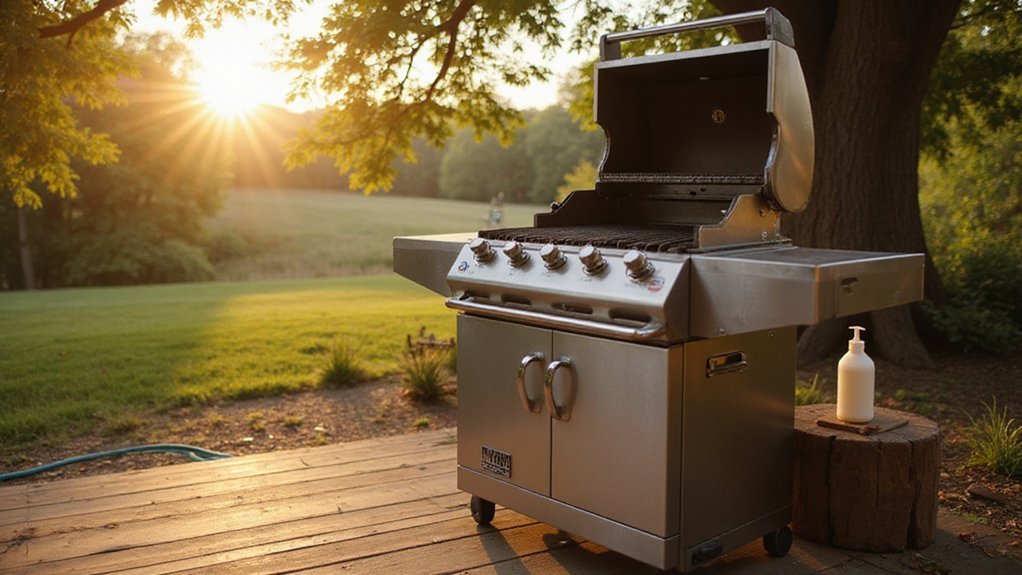
If your grill grates are rusting faster than you’d like, you’re not alone. Moisture from rain, humidity, or washing can cause rust to form, especially if the porcelain coating is chipped or grease traps water.
Luckily, fixing light rust is straightforward — soaking in vinegar, scrubbing with baking soda, and proper seasoning can restore your grates and prevent future damage.
Keep reading for simple steps to keep your grill in top shape.
Why Grill Grates Rust: Moisture, Grease, and Damaged Coatings
Moisture is the main reason grill grates rust. Rain, dew, humidity, and leftover washing water leave moisture on the surface, causing iron or steel to react with oxygen and form rust. Different grate materials react differently: cast iron rusts quickly without consistent seasoning, while lower-grade stainless steel is more prone to corrosion. Protective coatings like porcelain or enamel can shield the metal, but chips, scratches, or aggressive cleaning can expose bare metal, speeding up oxidation. Grease and food residue trap moisture against the surface, creating a corrosive environment. Acidic foods and marinades can etch the metal, making it more vulnerable. To prevent rust, you should dry your grates thoroughly after each use and store them in a dry place. Even if your grill is covered, trapped condensation can develop and cause rust. Damaged coatings and persistent moisture are your grill’s worst enemies. For refill confidence, ensure your propane tank’s valve and seals are not rusted or damaged, as noted in reviews of Best Gas Tanks for Grills. Choosing a grill with infrared technology can help reduce moisture buildup by providing more even, high-heat cooking that burns off residue faster. Storing your grill on a table with a built-in umbrella hole can help keep rain and dew off the cooking surface when not in use.
How to Remove Light Rust From Grill Grates (Vinegar & Baking Soda)
To remove light rust from your grill grates, soak the cool, debris-free grates in two cups of white vinegar for about four hours. The acetic acid in the vinegar reacts chemically with rust, helping to dissolve surface oxidation without harsh scrubbing. For more stubborn spots, mix baking soda with water to create a paste that resembles toothpaste. Apply this paste to the rusty areas and let it sit for 30 minutes. The fizzing reaction between vinegar and baking soda lifts rust gently, reducing the need for aggressive scraping. For heavy rust, use a half vinegar, half water concentration to effectively dissolve stubborn oxidation. Afterwards, scrub the grates using a nylon brush or aluminum foil ball to loosen remaining rust. Rinse the grates thoroughly with water and dry immediately to prevent new rust from forming, as moisture causes oxidation within hours. For consistent cooling performance, ensure the grates are completely dry before storing them near any countertop ice makers that require proper airflow. Butcher paper is often used for wrapping meat during smoking or grilling, as it retains moisture while allowing smoke penetration for better flavor. For grills that double as a charcoal gas hybrid, choosing grates with a durable porcelain coating can significantly reduce rust formation and improve overall longevity.
How Moisture Causes Grill Grate Rust (Rain, Humidity, Washing)
Moisture is a primary cause of grill grate rust because prolonged wetness prevents protective oxidation and accelerates corrosion. Rain, high humidity, and washing can all leave your metal grates damp, especially if they aren’t dried thoroughly afterward. Storing your grill under an outdoor umbrella for your table can shield it from unexpected rain showers. Cast iron grates are particularly vulnerable, rusting almost immediately once moisture interacts with unprotected metal. For a long-lasting setup, consider choosing fire brick as a heat-retaining material if you ever build a dedicated outdoor cooking area. Stainless steel, while more resistant, can still develop surface rust if exposed to sustained humidity over time. For added protection against moisture, consider a gas grill with a top side burner that helps reduce overall exposure by cooking in more controlled conditions.
Breathable covers allow moisture to escape, helping to keep your grates dry. In contrast, non-breathable covers trap condensation underneath, creating a humid environment that speeds up rust formation. After washing your grill, it’s essential to dry the grates completely. Towel drying works well, but for thorough removal of moisture, briefly reheating the grates on the grill can evaporate residual water. Neglecting this step feeds the rust process — moisture stays on the metal surface, breaking down protective layers and inviting corrosion.
How Food Residue and Grease Worsen Rust
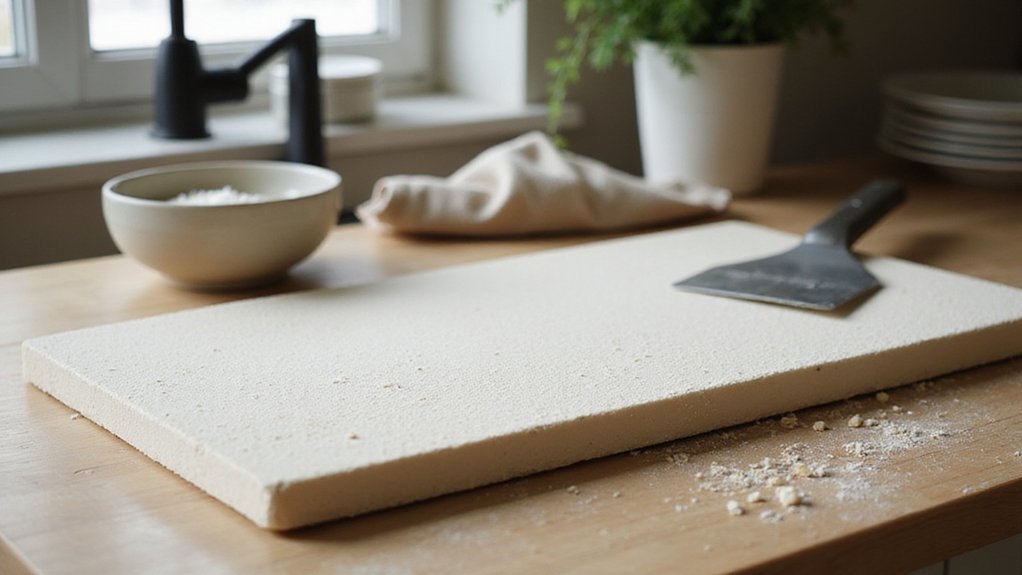
Food residue and grease significantly worsen rust by trapping moisture against the metal surface. When food particles, sauces, or oils are left on your grill or cookware, they create a sticky film that holds moisture in place. Grease hardens into a stubborn layer that seals corrosive elements such as salt and acids against the metal, preventing proper drying. This prolonged dampness in seams and textured areas accelerates rust formation because the moisture cannot evaporate easily. Burnt-on residue further delays evaporation, effectively marinating the metal in substances that promote corrosion. Using a pizza stone can provide a non-stick surface that reduces residue buildup, helping to prevent moisture retention on grates. To prevent this, always brush off food residue while the surface is still warm after cooking, and scrape away build-up promptly. Regular cleaning interrupts the rust process early, keeping your equipment in better shape and halting the cycle of ongoing corrosion. For instance, regularly performing a leak check on your gas grill connections can prevent moisture-trapping issues similar to those caused by residue. For instance, choosing a dining table for outdoor made from rust-resistant materials can help avoid similar corrosion issues in your alfresco setup.
When Porcelain or Enamel Coatings Chip: Exposed Metal Rusts Fast
When porcelain or enamel coatings chip, rust quickly follows. Once the protective layer is compromised, the exposed metal—usually steel or cast iron—becomes vulnerable to moisture and oxygen, which cause rapid corrosion. Poor adhesion of the coating makes chipping more likely, especially if the surface is handled roughly or subjected to thermal shock. A technique like rubbing an onion on the grates can help clean rust from these areas without harsh chemicals. The chips create rough edges that trap water, further accelerating rust development. Even a tiny chip or crack can lead to oxidation spreading outward. Humid weather or rain speeds up this process, making immediate repair important. To address minor rust on exposed areas, scrub with a scrub brush, then dry completely. If chips or pitting become widespread, replacing the item entirely is the safest choice to prevent further deterioration. For high-performance grills, choosing a premium pellet grill with durable coatings can reduce the risk of chipping from the start. Selecting a model with quality porcelain coatings can offer enhanced protection against moisture and thermal shock.
Cast Iron vs. Stainless Steel: Which Rusts Faster?
Stainless steel rusts significantly slower than cast iron because of its chromium content, which forms a protective passive layer on the surface. Cast iron, mainly composed of iron, begins to rust immediately when exposed to moisture or when unseasoned. You’ll notice rust spots forming quickly on cast iron, especially if it stays wet or isn’t properly maintained. You can achieve more consistent results by using a smoker box in your charcoal grill to control smoke temperature and moisture levels. Stainless steel grates are made of 304 stainless steel and contain less iron, further boosting their rust resistance compared to regular steel. For those wanting a more dedicated smoker setup, top smoke boxes can add deep wood-fired flavor to your gas grill. If you prefer a more social grilling setup, consider fire pit tables that combine seating and cooking for a premium outdoor gathering experience.
For rust prevention, stainless steel is the better choice. You can wash it with soap and water without damaging its protective coating. Cast iron requires regular seasoning, thorough drying, and oiling to minimize rust formation. While cast iron needs more upkeep, it offers superior heat retention, giving you stronger sear marks on steaks. If low maintenance and rust resistance are your priorities—especially in humid environments—stainless steel is the way to go. Your choice depends on how much effort you want to put into upkeep versus performance.
How to Season Grates After Cleaning to Prevent Grill Grate Rust
To properly season your grill grates and prevent rust, start by thoroughly cleaning them. Scrub off burnt debris with a grill brush, then remove stubborn rust using aluminum foil or a vinegar and baking soda soak. Rinse the grates well and dry them completely to eliminate moisture. Heating the dry grates on low briefly helps drive out any remaining water. When selecting a new setup, consider how outdoor dining chairs complement your grill station for a complete backyard experience.
Next, apply oil to the grates. Use a high-smoke-point oil like canola or grapeseed oil to ensure it withstands high temperatures. Apply a very thin layer of oil with a paper towel, covering all surfaces—top, bottom, and sides. Wipe away any excess oil to prevent flare-ups during heating. For even coverage, use a boar bristle pastry brush as recommended in the proper seasoning steps.
To develop a durable, rust-resistant coating, heat your grill to between 400 and 450 degrees Fahrenheit for 30 to 60 minutes. This process polymerizes the oil into a protective layer. Allow the grates to cool completely before use. For new or heavily restored grates, repeat this seasoning cycle 2 to 3 times. To maintain the protective layer, re-season your grates every four months or after each thorough cleaning.
The Simple Cleaning Routine That Prevents Rust Before It Starts
Cleaning your grill grates immediately after each use is the most effective way to prevent rust. Burn off residue on high heat for 10 to 15 minutes after cooking. Use a grill brush or crumpled foil to scrub away charred bits while the grates are still warm. Wipe them clean with a towel, then dry thoroughly to eliminate moisture. Apply a thin layer of high-smoke-point oil to create a protective coating. This quick routine maintains a seasoned surface and guards against rust formation. Performing this cleaning process consistently after every cook is much more reliable than occasional deep scrubbing, as it removes grease and carbon buildup that otherwise shortens grill life and compromises flavor. Ensure the grates are completely dry before covering the grill to prevent moisture from causing rust during storage. Always cover your grill after cleaning to shield it from the elements. For best results, also perform an initial curing process on new or fully stripped grates to build a durable, rust-resistant foundation.
When to Replace Grill Grates (Heavy Flaking, Pitting, Warping)
Heavy flaking, deep pitting, or severe warping are clear signs that your grill grate needs replacing. If the porcelain coating is chipped or peeling, the protective layer is gone, which can cause food to stick and potentially lead to rust. Deep rust pits compromise the metal’s integrity, making the grate unsafe by trapping bacteria and increasing the risk of rust flakes ending up in your food. Warped grates create uneven cooking temperatures and unstable grilling surfaces, making it difficult to achieve consistent results.
Once these issues become widespread or severe—such as coating loss over large areas, multiple rust pits, or noticeable warping—replacing the grate is the safest choice. Rust prevention treatments cannot repair existing damage; they only slow further deterioration. If over 30 percent of the surface shows rust, or if multiple problems appear together, you should retire the grate. Thin, corrosion-weakened rods also indicate that the grate has reached the end of its lifespan.